

When you want to engage in any outdoor activities, a suitable backpack is essential to your equipment, so how to choose a handy backpack according to different outdoor activities?
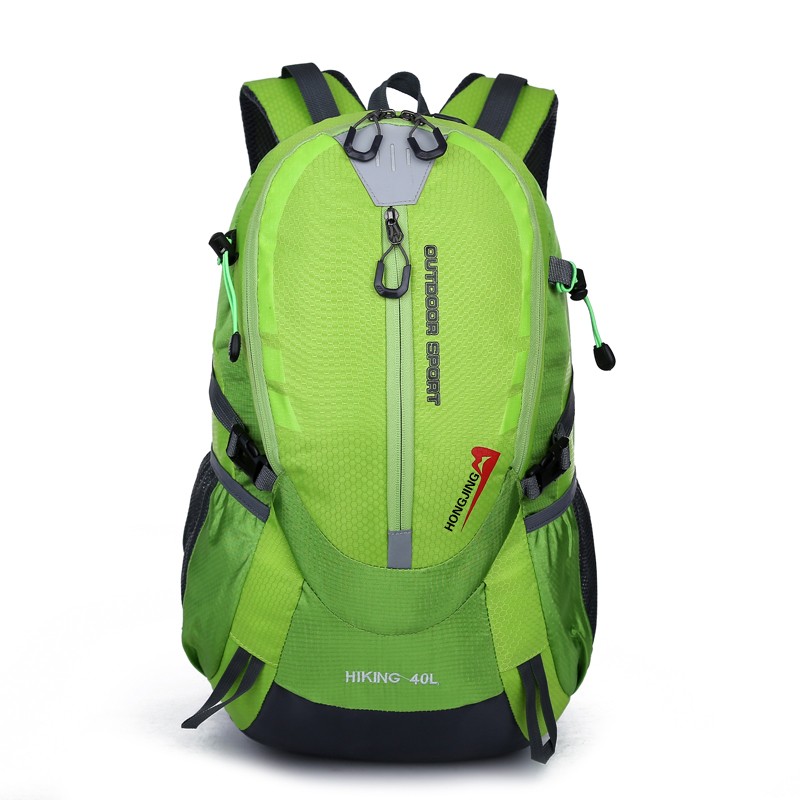
First
Backpack style:
1, no top pocket style.
The small backpack without a top pocket uses an inverted U-shaped pull chain to control the switch in the main storage space. You can control full open or side open with a pull test. Because of the convenience of the switch, you can easily pack and find the contents of the bag. If you're a student, a group leader, or care about sorting and organizing your packing, you might want to consider a small backpack with no top bag.
2, top pocket style.
Backpacks with top bags tend to be simple in design and light in weight (stretching can add weight), and are easily packed from the top of the main bag. Some small backpacks with top pockets have room for the main bag to extend upwards to provide more capacity. The backpack has a compression band on the side to improve stability, suitable for skiing and climbing. The downside is that packing a backpack with a top bag can be a challenge, as the gear at the bottom of the pack can be difficult to reach, and it seems important gear is always placed at the bottom of the pack.
3, some small backpack at the same time have a top bag and pull, the advantages of the two will be a very convenient choice.
Second
What is the most appropriate capacity:
The ideal size for a small pack is 30 liters, which is big enough to hold the ten essentials and extras for a personal climb. Small packs can be as small as 10 liters or as large as 40 to 50 liters. If you are a frequent leader or carry a teammate (or a child), you may need a backpack of 40 liters or more. In most cases, a backpack capacity of 30 liters is a standard capacity and the most popular choice. But if your activities range from hiking in summer to skiing in winter, you may need more than one backpack. Consider your needs to determine your backpack choice.
Third
Small backpack suitable for various activity types:
1. One-day Dayhiking:
--Usually 30 liters is the best size.
--Side pocket (usually a flexible mesh bag that can be laid flat against the backpack when nothing is in --place)
--Compartment (sandwich or pocket) for easy storage of small equipment.
--Water bag interlining and straw opening.
In the field of Scrambling/climbing:
Choose a narrow pack, and you'll usually be climbing to higher altitudes and cooler temperatures, so you'll need a 40-litre pack to carry extra warm clothing.
Your ambition to climb will determine the size of your backpack. Consider the amount of gear you carry and the backpack with the ice axe ring and Daisy chain. In addition, backpacks with compression straps and chest straps help maintain stability.
Finally, ask your climbing partner what features a backpack would be most helpful to them.
3. Ski Tourism:
A backpack with a narrow, snug back and high stability would be a plus. The extent of your trip (how much extra clothing you carry) will determine the size of your backpack. The best backpack design can be snow shovel, snow poles hanging point. Chest belts and belts are also important to consider. The above two and three have mentioned the purchase of a relatively narrow backpack, why? That's because a narrower backpack won't interfere with your movement, and it's also less likely to hook things.
4, run/wild adventure race (Trailrunning/adventureracing) :
Fanny packs, water bottle backpacks, or low-capacity technical backpacks (25 liters or less) are all good choices. The Fanny pack will not move as the user moves, and can keep the back ventilation and sweat.
5, Overnight travel (Overnighter)
If you have the mentality of minimal use coupled with equipment (lightweight sleeping bag, bivouak, etc.), a technical backpack can handle ultra-light overnight needs. It's just that in general, very few people can do it, so the recent trend toward lightweight, medium-sized backpacks tends to be super-lightweight.
You can find a backpack that has a back and a belt, and some have one or two aluminum strips in the carrying system for higher weights. But even if it's just an overnight trip, the desire for outdoor comfort can make your backpack bigger and bigger.
6, School/commuter/travel (School/Commuting/'ll) :
Look for a backpack with at least two or more compartments, including a mezzanine for magazines or laptops, and space for electronics and gadgets. It should have a backboard to keep books from pushing up against your back.
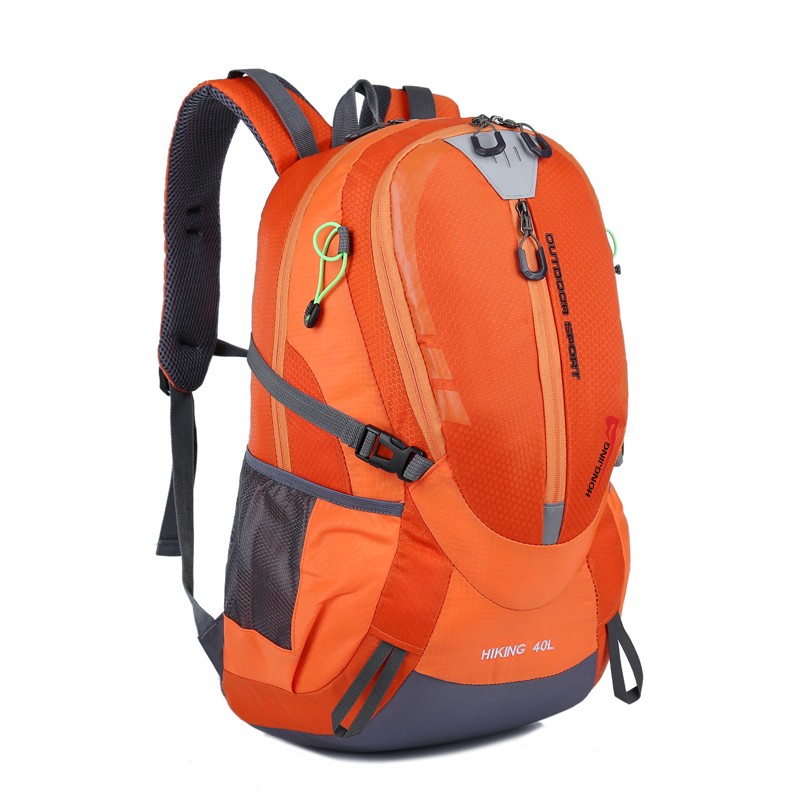
Conclusion: With the above analysis, I believe you can find a suitable backpack for you.